
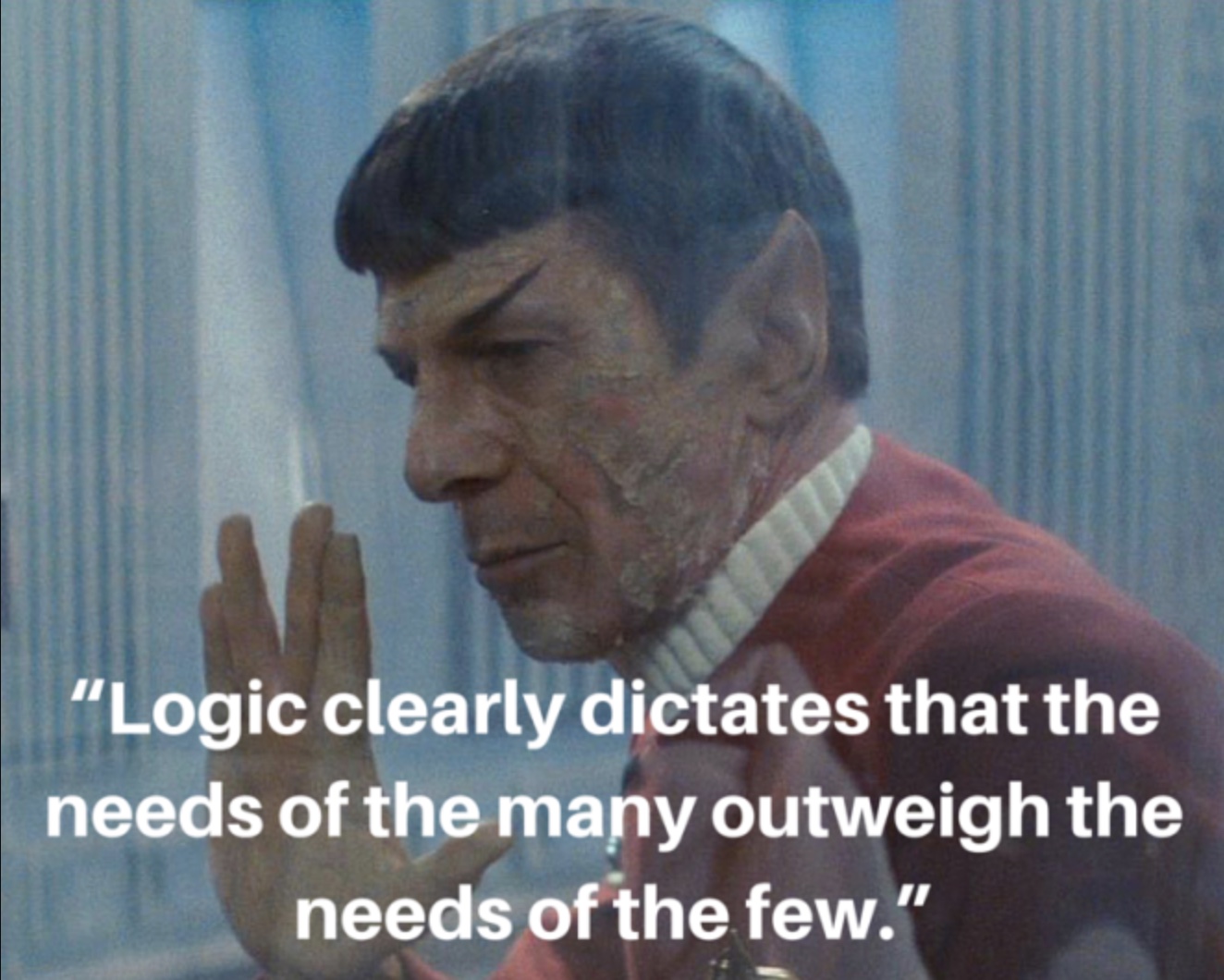
When you walk through the door to your business tomorrow, the paths to two companies will stand before you. – The one where you put the company’s success on equal footing with your own interests, and the one where you doggedly fight with elbows out for as much personal credit, budget, etc. as you can.
How often do you hear things like “Don’t tell Cindy’s group, she’ll steal the idea and we won’t get credit for it.” Sometimes it will be phrased less obviously – “Group x doesn’t need to know that we’re meeting with Client y”, or maybe you have a corporate structure where information flows upward but seldom down to the ranks or horizontally within your boss’s larger group. My favorite is "I can't help you with that because it's not part of my quarterly goal."
All these behaviors are designed to maintain and protect an individual’s rank in the organization. They don’t further the goals of the company. In fact, they damage the company by creating unnecessary silos of power and information. This means natural synergies are denied. Squandered talent will flee the field and find employment elsewhere. You’ll notice that over time the very best folks won’t be there anymore, whereas the mediocre will stay.
The OTHER company is the one where, you make a conscious decision to embrace the talent that surrounds you. This means communicating smartly. Done properly, smart communication leads to fewer meetings, less wasted work, corporate growth, personal growth, and retention of talent. Communicating smartly means making sure information flows to those need to know or who should need to know. It means asking for opinions from potential stake holders. It means actively looking for natural tie-ins and organizational buy-ins. A rising sea lifts all ships. Don't just be a leader; be a team leader.
Which company do you work for today? Which company will you work for tomorrow?
Epilogue: It's now 2023, the company that I was trying to save at the time I wrote this article has failed. They squandered an outrageously large pool of talent and opportunity by creating silos of information and power. TransUnion ended up selling this division off - essentially for parts. Such a shame. IF you are a leader, think of your business as being in a continuous state of negotiation. The best negotiators don't just look for a bigger slice of the pie; They also look to see how to make the pie bigger. It seems obvious, but when everyone wins, ...everyone wins. Bring your collaborators to the table and leverage their talents to see and help actualize the opportunities that may lay shallow hidden.
Originally published on LinkedIn.